How to get rid of bad breath naturally, the Denta Guard way
Bad breath is one of the most common — and most fixable — oral complaints. This guide from the Denta Guard Research Team explains what really causes it, a simple home routine that works, the foods and habits that help or hurt, and where an oral probiotic can fit in.

- Short version
- Bad breath usually comes from odour-producing bacteria in the mouth, especially on the back of the tongue. Brush and clean between teeth, scrape your tongue, stay hydrated, cut back on sugar, and support a balanced oral microbiome. Persistent odour despite good hygiene should be checked by a dentist.
- Where Denta Guard fits
- Denta Guard is a peppermint oral probiotic tablet with prebiotic inulin, designed to support a balanced mouth alongside brushing, flossing and tongue cleaning.
What actually causes bad breath
The medical term is halitosis, and in the large majority of cases it starts right in the mouth. Odour-producing bacteria break down trapped food particles and cell debris and release volatile sulphur compounds — the source of that unmistakable smell. These bacteria thrive in low-oxygen spots: the back of the tongue, between the teeth and along an inflamed gum line — which is why improving gum health naturally so often clears up stale breath as a side effect. Anything that lets them multiply, or that dries out the mouth, tends to make breath worse.
| Cause | What’s happening | What helps |
|---|---|---|
| Tongue coating | Bacteria collect on the rough back of the tongue | Daily tongue scraping |
| Dry mouth | Less saliva means less natural cleansing | Water; xylitol; check medications |
| Gum problems | Inflamed pockets trap odour-causing bacteria | Interdental cleaning; dental care |
| Food debris | Particles between teeth ferment over time | Floss or interdental brushes |
| Sugary diet | Feeds the wrong bacteria | Fewer sugary snacks and drinks |
| Smoking | Dries the mouth and adds its own odour | Cutting down or quitting |
Certain foods — garlic, onions, some spices — can also cause temporary odour once absorbed and exhaled, which no amount of brushing fully removes until they clear your system. That kind of breath is short-lived; the persistent kind almost always traces back to the mouth itself.
A simple home routine for fresher breath
Because most bad breath is bacterial, the fix is to reduce the bacterial load and keep the mouth moist. A short daily routine handles both.
Clean where odour hides
Brush twice a day and clean between your teeth once a day — these remove the debris that odour bacteria feed on. Then add the step most people skip: gently scrape or brush the back of your tongue, where a surprising share of odour-causing bacteria live. Together, these three habits address the vast majority of everyday bad breath. In a controlled study of mechanical tongue cleaning, Choi HN and colleagues, “The Effect of Mechanical Tongue Cleaning on Oral Malodor and Tongue Coating,” International Journal of Environmental Research and Public Health (2021) reported lower measured mouth odour and less tongue coating after regular scraping, which is why the step is worth the ten seconds it takes.
Keep the mouth moist
Saliva is your built-in rinse, so a dry mouth quickly turns stale. Sip water through the day, especially if you talk a lot, exercise or take medications that reduce saliva. Chewing xylitol gum stimulates saliva flow and, unlike sugary mints, does not feed odour bacteria — the Cochrane review by Riley P and colleagues, “Xylitol-containing products for preventing dental caries in children and adults,” Cochrane Database of Systematic Reviews (2015) judged the overall evidence for xylitol’s caries benefit to be low quality, so treat it as a saliva-friendly swap rather than a proven treatment. A quick water rinse after meals helps when you cannot brush.

Foods and habits that help — or hurt
Diet nudges breath in both directions. Crunchy fruits and vegetables act like a gentle scrub and boost saliva; water-rich foods keep the mouth hydrated; and unsweetened green tea contains polyphenols traditionally linked to fresher breath. On the other side, frequent sugar, heavy alcohol and constant coffee can dry the mouth or feed the wrong bacteria.
| Helps breath | Works against breath |
|---|---|
| Water and water-rich foods | Frequent sugary snacks |
| Crunchy vegetables & apples | Sticky, refined carbohydrates |
| Unsweetened green tea | Heavy alcohol intake |
| Xylitol gum or mints | Sugary breath mints |
| Fresh herbs (parsley, mint) | Tobacco in any form |
Where oral probiotics fit in
Masking odour with a sugary mint is a short-term patch that can even feed the problem. Supporting a balanced oral microbiome takes aim at the cause: when friendly bacteria are well established, the odour-producing species have less room to dominate. Strains such as Lactobacillus salivarius are among those studied for the mouth and breath: in a double-blind crossover trial, Suzuki N and colleagues, “Lactobacillus salivarius WB21-containing tablets for the treatment of oral malodor,” Oral Surgery, Oral Medicine, Oral Pathology and Oral Radiology (2014) measured volatile sulphur compounds in people with genuine oral malodour, and a separate trial by Keller MK and colleagues, “Effect of chewing gums containing the probiotic bacterium Lactobacillus reuteri on oral malodour,” Acta Odontologica Scandinavica (2012) tested a second strain the same way. These are small studies of specific strains, not proof that any probiotic cures halitosis, and prebiotic inulin is included to help such cultures flourish.
This is exactly how Denta Guard is built. Each peppermint tablet delivers a four-strain probiotic blend (3.5 billion CFU) with 100 mg of inulin from chicory root, plus cranberry and grape seed, in a sugar-free xylitol base — a fresh finish that supports balance rather than feeding it away. It is a complement to good hygiene, not a cure for halitosis. Read more on how oral probiotics work, or see our gum-health guide for the routine that underpins fresh breath.
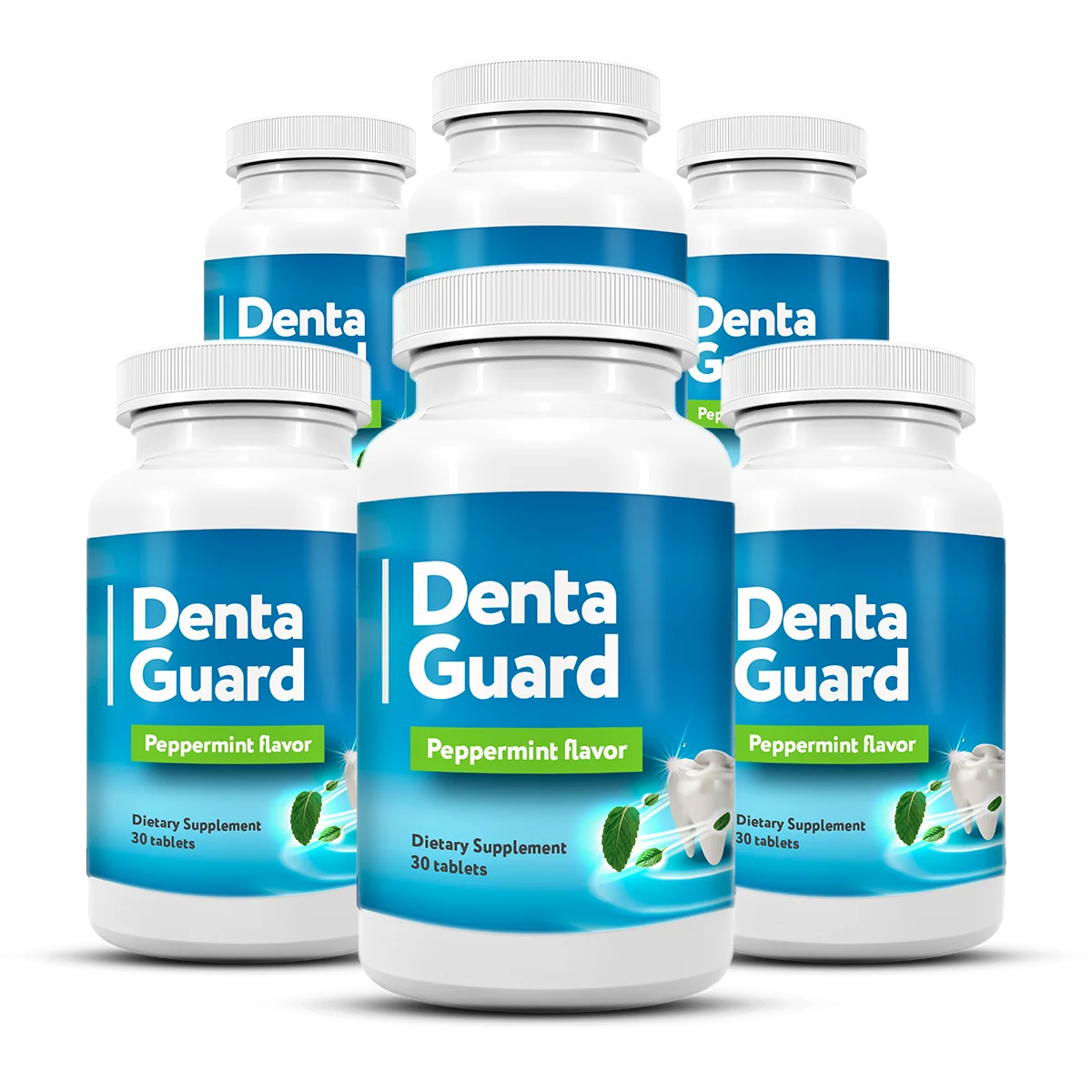
A fresher finish to your routine
Denta Guard’s peppermint tablet supports a balanced mouth with probiotics, prebiotic inulin and botanicals. The six-bottle bundle is the best value with free U.S. shipping and a 60-day guarantee.
Order Denta GuardWhen bad breath needs a professional
If your breath stays stale despite good hygiene, do not just keep reaching for mints. Persistent halitosis can signal gum disease, an untreated cavity or a dry-mouth condition, all of which a dentist can address. If your mouth checks out, a doctor can look at other causes, from sinus and tonsil issues to digestive or metabolic factors. Fresh breath is usually a solvable problem — the key is treating the cause, not the smell.

References
- Choi HN, Cho YS, Koo JW. The Effect of Mechanical Tongue Cleaning on Oral Malodor and Tongue Coating. International Journal of Environmental Research and Public Health, 2021. Choi HN et al., “The Effect of Mechanical Tongue Cleaning on Oral Malodor and Tongue Coating,” IJERPH (2021)
- Suzuki N, Yoneda M, Tanabe K, et al. Lactobacillus salivarius WB21-containing tablets for the treatment of oral malodor: a double-blind, randomized, placebo-controlled crossover trial. Oral Surgery, Oral Medicine, Oral Pathology and Oral Radiology, 2014. Suzuki N et al., “Lactobacillus salivarius WB21-containing tablets for the treatment of oral malodor,” Oral Surg Oral Med Oral Pathol Oral Radiol (2014)
- Keller MK, Bardow A, Jensdottir T, et al. Effect of chewing gums containing the probiotic bacterium Lactobacillus reuteri on oral malodour. Acta Odontologica Scandinavica, 2012. Keller MK et al., “Effect of chewing gums containing the probiotic bacterium Lactobacillus reuteri on oral malodour,” Acta Odontol Scand (2012)
- Riley P, Moore D, Ahmed F, et al. Xylitol-containing products for preventing dental caries in children and adults. Cochrane Database of Systematic Reviews, 2015. Riley P et al., “Xylitol-containing products for preventing dental caries in children and adults,” Cochrane Database Syst Rev (2015)
- National Center for Complementary and Integrative Health. Probiotics: What You Need To Know. NCCIH, “Probiotics: What You Need To Know”
- National Center for Complementary and Integrative Health. Green Tea. NCCIH, “Green Tea”
This article is for general information and is not a substitute for professional dental or medical advice.
Frequently asked questions
What causes bad breath?
Most bad breath comes from odour-producing bacteria in the mouth, especially on the back of the tongue, breaking down food debris and releasing volatile sulphur compounds. Dry mouth, gum problems, certain foods, smoking and skipped cleaning all make it worse. Persistent bad breath despite good hygiene should be checked by a dentist or doctor.
How can I freshen my breath naturally?
Brush and clean between your teeth, scrape your tongue, drink water to keep saliva flowing, chew xylitol gum, and eat crunchy fruits and vegetables. Supporting a balanced oral microbiome with an oral probiotic and cutting back on sugar can help too.
Does tongue scraping help bad breath?
Yes. The back of the tongue holds a large share of the bacteria behind bad breath, and gently scraping it once a day removes that coating. It is one of the most underrated steps in a fresh-breath routine.
Why is my breath worse in the morning?
Saliva flow drops while you sleep, so the mouth dries out and odour-producing bacteria multiply overnight. That is why morning breath is normal; brushing, scraping the tongue and hydrating quickly resolve it.
Can oral probiotics help with bad breath?
Oral probiotics aim to support a balanced oral microbiome so odour-producing species are less dominant. Strains such as Lactobacillus salivarius are among those studied for breath. Denta Guard combines such strains with prebiotic inulin in a peppermint tablet, as a complement to good hygiene. See the current packages.
When should I see a professional about bad breath?
If bad breath persists despite good oral hygiene, see a dentist to rule out gum disease or dental issues. If your mouth is healthy, a doctor can check for causes such as sinus, digestive or metabolic factors.